

 0
0
 0
0
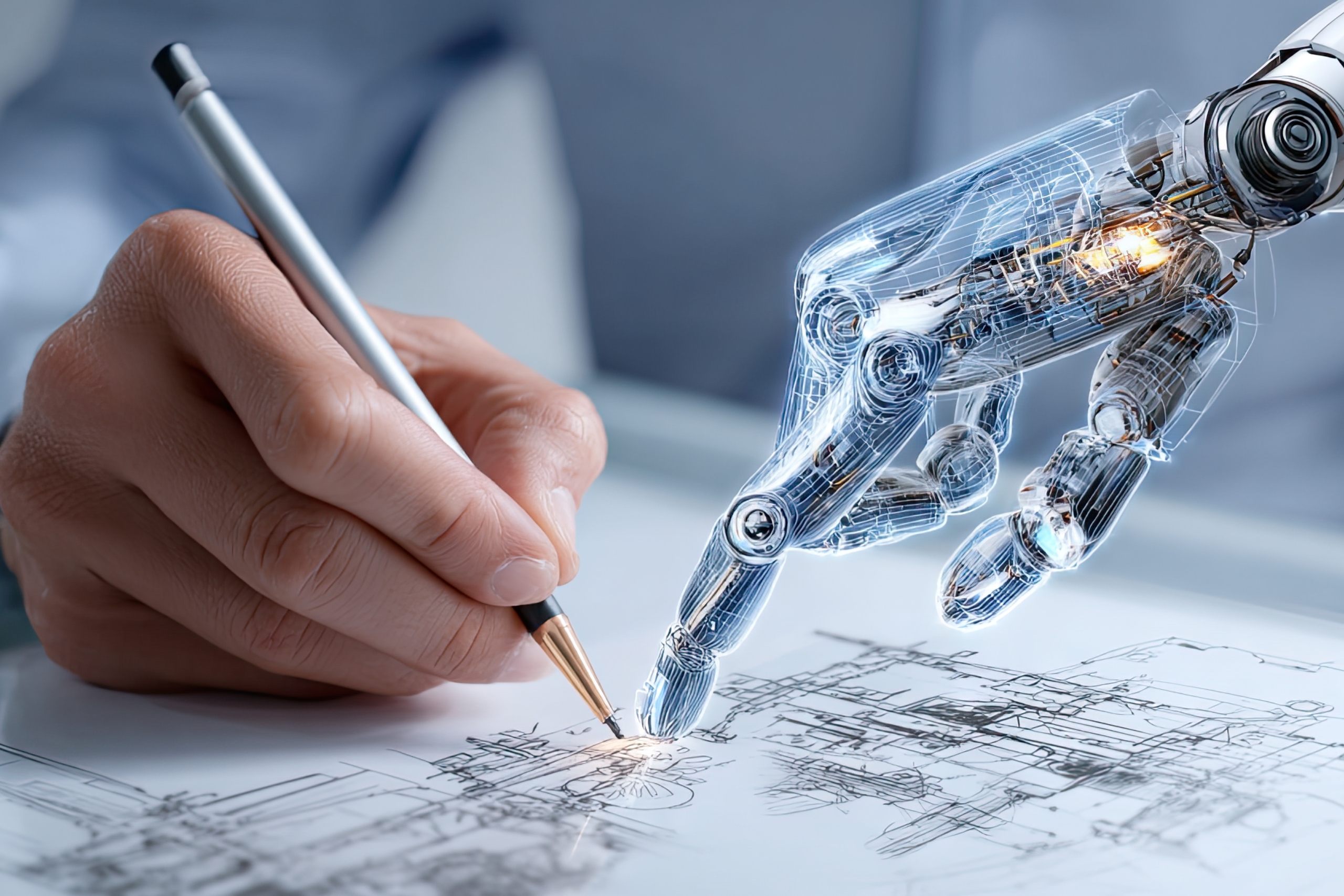
Artificial intelligence is influencing daily life in ways that many consumers barely notice, quietly reshaping routines through subtle but powerful tools integrated into common activities. From personalized recommendations and automated reminders to smart home adjustments and behind-the-scenes digital support, AI has evolved into an invisible assistant that enhances convenience without demanding attention. This quiet boom reflects a cultural shift where people expect technology to adapt intuitively, anticipating their needs before they even express them. Unlike the dramatic portrayals of AI in entertainment, the real transformation happens in minute, seamless ways that improve productivity, streamline decisions, and reduce mental load. Everyday devices—from phones and appliances to vehicles and entertainment systems—now incorporate intelligent functions designed to simplify life. As more industries adopt AI-driven features, consumers gain access to a smoother, more interconnected digital environment without feeling overwhelmed. This understated rise of everyday AI marks a new era of practical innovation, shaping how people work, communicate, and navigate the world.
How Everyday AI Became Integrated Into Routine Consumer Experiences
Everyday AI has transitioned from novelty to necessity, becoming deeply embedded in the systems people interact with on a daily basis. Recommendations on streaming platforms, navigation tools that recalibrate routes instantly, and digital assistants that manage schedules all operate quietly in the background. These innovations do not require technical expertise; instead, they adapt continuously based on real-time behaviors. This frictionless integration ensures users benefit from enhanced functionality without needing to adjust their routines.
Modern devices are designed to communicate across ecosystems, allowing AI to learn preferences and deliver personalized experiences. Whether adjusting room temperature automatically or sending reminders based on past behavior, AI tools simplify complex tasks without demanding conscious input. The familiarity and convenience of these interactions encourage widespread adoption, turning what once felt futuristic into an ordinary part of daily life. This natural evolution demonstrates how deeply AI has woven itself into modern routines, shaping user experiences with subtle yet meaningful influence.
Why Consumers Prefer Invisible, Effortless AI Assistance
One of the defining characteristics of today’s AI adoption is the preference for systems that operate quietly rather than intrusively. Consumers appreciate tools that solve problems without requiring detailed instructions or constant monitoring. This approach allows technology to blend into routines seamlessly, supporting tasks such as organizing messages, filtering spam, optimizing device performance, and even predicting shopping preferences. The balance between automation and subtlety is what makes AI so appealing—its presence is helpful, not overwhelming.
This shift reflects a growing desire for simplicity in a world filled with digital noise. People rely on intelligent tools to reduce mental effort and streamline decision-making, especially as daily tasks become more complex. Whether managing finances, planning meals, or sorting through information, AI acts as an assistant that understands habits and responds accordingly. This unobtrusive support system aligns with the broader evolution of consumer technology innovations, emphasizing convenience, personalization, and efficiency above flashy displays or intrusive design.
The Role of AI in Improving Digital Safety and Everyday Security
AI has become integral to maintaining digital safety, providing real-time protection that operates quietly in the background. Modern security systems use intelligent algorithms to detect unusual patterns, block suspicious activity, and notify users of potential threats before damage occurs. Email platforms rely on AI to filter phishing attempts, while mobile devices use biometric authentication enhanced by machine learning to strengthen privacy. These layered protections help safeguard sensitive information without requiring users to perform complex security tasks.
Beyond digital environments, AI also enhances physical safety. Smart cameras monitor home surroundings, analyzing movement and distinguishing between normal and suspicious activity. Vehicle safety systems rely on AI to assist with braking, lane detection, and collision avoidance. These tools reduce risk by interpreting situations faster than human reflexes. The combination of digital and physical protection highlights how AI contributes to safer everyday experiences—quietly, efficiently, and reliably.
How Companies Use AI to Personalize Services Without Overwhelming Users
Businesses increasingly use AI to tailor products and services, providing personalized experiences without creating a sense of intrusion. Retailers analyze shopping behavior to suggest relevant items, streaming services customize entertainment recommendations, and food delivery apps anticipate cravings based on past orders. This personalization makes interactions smoother and more intuitive, enhancing customer satisfaction while supporting efficient decision-making.
Companies understand that consumers value relevance but dislike excessive data collection or aggressive targeting. As a result, many brands design AI systems that function discreetly, focusing on helpful optimization rather than constant engagement. Transparency and ethical data practices have become central to maintaining trust, ensuring users feel comfortable with the assistance they receive. Insights from a respected news outlet help consumers stay informed about data privacy standards, fostering confidence in AI-driven services. This responsible approach allows businesses to benefit from AI capabilities while respecting consumer expectations and boundaries.
The Future of Everyday AI: More Connected, More Predictive, More Human-Centered
The future of everyday AI points toward even deeper integration with daily life, characterized by predictive assistance and highly personalized support. Devices will communicate more effectively with each other, creating unified environments where preferences transfer seamlessly between platforms. Predictive AI may anticipate needs before users realize them—whether adjusting home lighting based on mood, preparing schedules based on past routines, or suggesting healthier lifestyle choices.
As technology advances, developers are focusing on making AI more human-centered, prioritizing empathy, accessibility, and emotional intelligence. Tools may become better at interpreting tone, recognizing stress patterns, and offering supportive suggestions. These innovations aim to enhance well-being and enrich daily experiences without complicating interactions. The next generation of everyday AI will likely be quieter, smarter, and more attuned to human life—strengthening its role as a trusted companion in the background of daily routines.
Conclusion
The quiet boom of everyday AI represents a major cultural and technological transformation, reshaping how people navigate daily life without demanding constant attention. From personalized recommendations and intuitive automation to real-time safety monitoring and seamless device integration, AI has become an essential yet understated part of modern routines. Consumers appreciate tools that anticipate needs, simplify tasks, and enhance convenience while operating discreetly in the background. This steady evolution helps individuals manage increasingly complex lifestyles with greater efficiency and less effort. As companies refine AI-driven technologies and focus on meaningful, human-centered design, everyday AI will continue shaping consumer behavior in subtle yet powerful ways. The future promises an even more interconnected ecosystem where intelligent systems complement human actions, enriching lives while remaining unobtrusive. In this expanding landscape, the influence of AI becomes not just a technological advantage but a natural extension of how people interact with the world around them.


